Why choose us?
Honda claims are often harder than they look, precisely because the brand's reputation makes dealers slower to concede a defect. What wins these files is a clean, consistent repair record. Here is why owners bring them to us:


 Consumer Protection Law Group
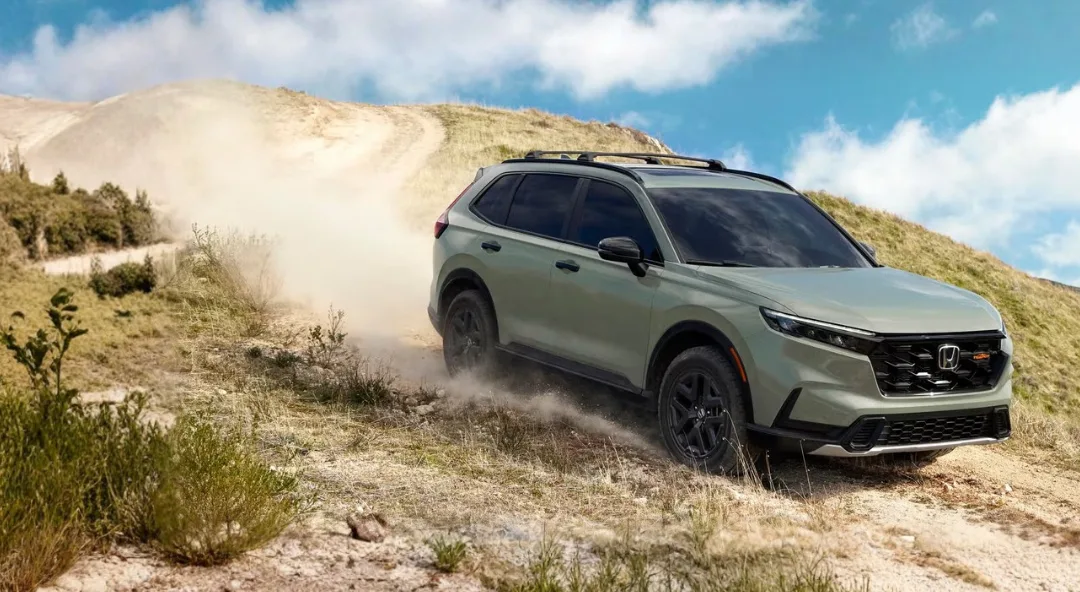
The CR-V, Accord, Civic and Pilot make up most of the Honda claims that reach us, with Odyssey, Passport, HR-V and Ridgeline appearing regularly.
Fuel diluting the engine oil. Reported across the 1.5-liter turbo engines in the CR-V, Civic and Accord, and most pronounced in cold climates and on short trips. Owners notice the oil level on the dipstick rising rather than falling, a strong fuel smell from the oil, and in some cases rough running or a check engine light. Fuel in the crankcase thins the oil and reduces its ability to protect the engine, which is why this is a durability concern rather than a maintenance quirk. Honda has issued service bulletins and software updates addressing it; a software update that does not stop the dilution is a repair attempt, not a resolution.
Transmission judder and hesitation. Reported on both the CVT and the multi-speed automatics: a shudder or vibration under light acceleration, hesitation pulling into traffic, and harsh engagement. Dealers commonly start with a fluid service or a software update.
Driver-assist systems acting on their own. Collision-mitigation braking triggering with nothing ahead, lane-keeping assist tugging the wheel toward an unmarked shoulder, and the systems disabling themselves with a sensor warning. These are safety defects, and most states require fewer repair attempts before a safety-related claim is viable.
Air conditioning failure. Compressor and condenser failures leaving the system blowing warm, sometimes more than once on the same vehicle.
More Honda owners lose claims to the calendar than to the facts. The brand’s reputation makes people assume a recurring problem is bad luck, so they keep taking it in without ever considering that they have rights, and the warranty runs out. The clock generally runs from when the defect first appeared and was reported, not from when you decided to do something about it — but only if the reports are documented. Every visit, every time, get the repair order.
A buyback, a replacement, or a cash settlement where you keep the vehicle and are compensated for its reduced value. Which is realistic depends on the facts. No firm can promise a particular result, and past results do not guarantee a similar outcome.
Nothing out of pocket to start. Lemon law statutes in most states, and the Magnuson-Moss Warranty Act federally, shift the consumer’s attorney fees to the manufacturer when the claim succeeds. If your case does not succeed, your written agreement will explain any costs you could be responsible for.
Send us your repair orders, your purchase or lease contract, and the current mileage. That is usually enough for us to tell you whether the claim is worth pursuing.
 $26,534
$24,110
$23,345
$23,000
$22,195
$22,000
$21,586
$21,550
$20,183
$20,000
$20,000
$19,411
$18,000
$18,000
$17,000
$16,000
$26,534
$24,110
$23,345
$23,000
$22,195
$22,000
$21,586
$21,550
$20,183
$20,000
$20,000
$19,411
$18,000
$18,000
$17,000
$16,000  Consumer Protection


 Call (424) 677-1115