Which Kia models we see most
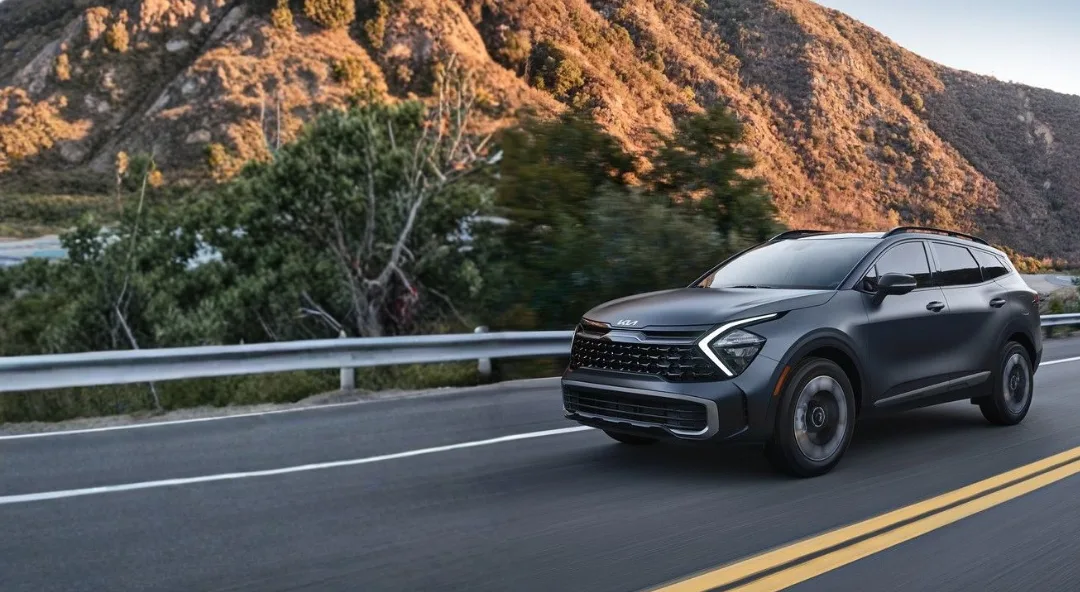
The Sorento, Sportage, Optima and K5 account for most of the Kia claims that reach our office, with the Telluride climbing quickly as the volume of those vehicles on the road grows. We also handle Soul, Forte, Seltos, Carnival and EV6 claims.
The defects Kia owners report most
Engine failure on the 2.4L and 2.0L turbo GDI engines. This is the one that brings most Kia owners to a lawyer. Owners describe a knocking or rod-knock sound from the bottom of the engine, a sudden loss of power, illuminated warning lights, and in the worst cases an engine that seizes while driving. Kia has issued multiple recalls and service campaigns tied to these engines, along with a knock-sensor detection software update intended to catch bearing wear early. A software update is not a repair of a damaged engine, and if the underlying problem returns after the update, that is a repeat repair.
Transmission shudder and hesitation. Reported across both the conventional automatics and the dual-clutch transmissions used in models like the Forte and Seltos. Owners describe a lurch or a jerk pulling away from a stop, hesitation when accelerating into traffic, and harsh downshifts. Dealers often respond with a fluid service or a control-module reflash. When the same complaint returns after those, the repair history is what makes the case.
Electrical faults and overnight battery drain. A vehicle that will not start after sitting a day or two, warning lights that appear and clear on their own, and Idle Stop & Go systems that stop working. Parasitic-drain complaints are notoriously hard for a dealer to reproduce in a single visit, which is why documentation across several visits matters so much here.
Excessive oil consumption. Needing to add oil between scheduled services is not normal, and it is frequently an early symptom of the bearing wear that precedes an engine failure. If a dealer has performed an oil consumption test on your Kia, that paperwork belongs in your file.
What actually makes a Kia a lemon
There is no single national rule, but most state lemon laws turn on the same three questions, and the federal Magnuson-Moss Warranty Act provides a separate path that is not limited to any one state:
- Is the vehicle still under the manufacturer’s warranty, or was it when the defect first appeared and was reported?
- Has the same defect been through a reasonable number of repair attempts? Many states treat three or four attempts on the same problem as the starting point, and fewer where the defect is a safety issue.
- Has the vehicle been out of service for a substantial number of days? Roughly thirty cumulative days in the shop is a common threshold, and engine work alone can consume that quickly.
One point specific to Kia: a recall repair and a warranty repair are not the same thing, and owners frequently assume a recall closes the issue. If your engine was addressed under a recall or a service campaign and the problem came back, that is exactly the fact pattern a claim is built on. Keep every piece of paper from every visit, including the ones where the dealer wrote that nothing was found.
What a successful Kia claim can produce
Outcomes generally take one of three forms: a buyback, where Kia repurchases the vehicle and refunds what you paid less an offset for the miles driven before the defect was reported; a replacement with a comparable vehicle; or a cash settlement where you keep the vehicle and are compensated for its reduced value. Which of these is realistic depends on the vehicle, the repair history, and the state you bought in. No firm can promise a particular result, and past results do not guarantee a similar outcome.
What it costs you
Nothing out of pocket to start. Lemon law statutes in most states, and the Magnuson-Moss Warranty Act at the federal level, shift the consumer’s attorney fees to the manufacturer when the claim succeeds. If your case does not succeed, your written agreement will explain any costs you could be responsible for.
Start with the paperwork you already have
Send us your repair orders, your purchase or lease contract, and the current mileage. That is usually enough for us to tell you whether you have a claim worth pursuing. If we do not think you do, we will tell you that too.


 Consumer Protection Law Group
 $26,534


 Call
Call