
 Consumer Protection
Law Group


 Consumer Protection Law Group
The Ford 3.3 V6 engine has been a constant companion in mainstream cars such as the F-150 and the Ford Explorer. It is promoted as a trusted, effective powertrain that is aimed at balancing performance and fuel economy. Owners have, however, complained that this engine is not without its faults.
Since technical service bulletins to consumer complaints, there have been trends of problems over the years. Drivers have expressed concerns about leaking oil, severe timing chain failures, and all these issues impact on the performance and long-term reliability.
These issues are important to know not only to the existing owners of Ford but also to anyone planning to purchase a car with this engine. The mechanical problems may result in expensive repairs, decreased safety, and mistrust in the car. This article dissects the most prevalent issues with the 3.3 V6 engine, gives background on recalls, and explains how legal advice can assist the affected consumers.
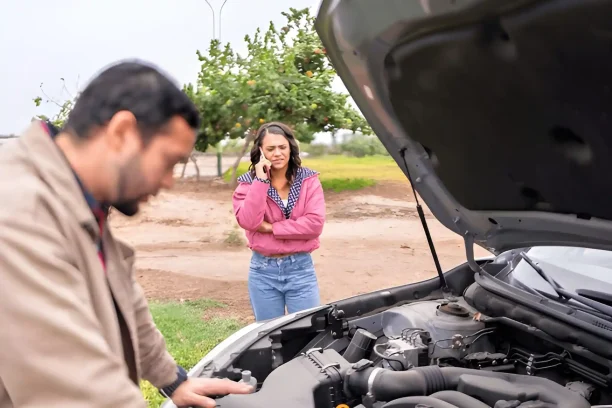
Although the 3.3 V6 has been applauded as efficient, there are a number of issues that have been reported by mechanics and drivers. We will discuss the most reported problems and their effects on ownership below.
The cooling system is one of the most common complaints. The owners have complained of coolant leakages, thermostat failures, and radiator issues, which impact the engine to maintain safe operating temperatures.
A broken cooling system can soon lead to overheating, which can bend the cylinder heads or even lead to disastrous engine damage. In other instances, the villain is faulty water pumps that have failed sooner than anticipated, resulting in coolant circulation issues.
The National Highway Traffic Safety Administration (NHTSA) has received several complaints of overheating in Ford trucks with this engine, with the owners reporting sudden loss of power on highways. Regular coolant flushes can be used as preventive maintenance, although in many cases, the owners experience repeated problems despite repairs.
Finally, cooling failures not only raise the cost of repair but may also pose a threat to the safety of the driver by causing unexpected breakdowns during high-speed driving.
The other issue that is usually raised is the reliability of the fuel injectors. The fuel injectors are in charge of the correct quantity of fuel to be injected into the combustion chamber. With the Ford 3.3 V6, there have been reports of clogged or malfunctioning injectors that lead to rough idling, poor fuel economy, and engine misfires.
The symptoms usually involve stuttering acceleration, uneven power output, and even low-speed stalling. In the long run, such issues can cause check engine lights, which will make owners go through the diagnostic and repair process many times.
It has been reported that injector-related problems can occur earlier than anticipated, in some cases, less than 60,000 miles, which is economically frustrating to the owners who anticipate long life.
Without correction, defective injectors may cause damage to other engine components such as pistons and spark plugs. Although cleaning the fuel system can be a temporary solution, complete injector replacement is usually required. This not only increases the cost of repair, but also in the fact that the reliability of the vehicle.
The Ford 3.3 V6 exhaust system has been linked to several complaints as well. Owners have complained of exhaust manifold cracks, leaks, and premature failures of catalytic converters. These issues tend to manifest themselves in loud noises, heavy exhaust smells, or a visible decrease in engine performance.
The cracking of the exhaust manifold may allow harmful gases to escape into the engine bay, which adds to the emissions and health hazards to the drivers. Catalytic converters, in their turn, frequently result in failed emissions test, which requires expensive replacement. This is a very costly problem because some stats show the replacement of catalytic converters may cost more than 2,000 dollars.
Also, the exhaust system can leak into the system and disrupt the oxygen sensors, causing low fuel efficiency and continuous check engine lights. To most owners, the frequent repairs of the exhaust system are a source of frustration and an additional expense to the overall cost of vehicle maintenance.
Variable Valve Timing (VVT) is an important element that contributes to the balancing of performance and fuel economy. Solenoid failures have been a common problem in the Ford 3.3 V6. In case of the VVT solenoid failure, the drivers tend to experience rough idling, loss of power, and high fuel consumption.
Engine noise is one of the key symptoms associated with VVT failure, and it is usually characterized as ticking or rattling, especially at start-up. These sounds may be early signals of more severe internal damage when they are not controlled. There have also been reports of some owners experiencing problems with acceleration, where the engine is slow and unresponsive.
The cost of replacing the VVT solenoid may be high, and in other instances, it has required several replacements. Ford has also issued technical service bulletins (TSBs) that have recognized issues with timing and valve operation in some model years. Consequently, most owners believe that the system is not durable, and question the long-term reliability and increased maintenance costs.
Timing chains are meant to last as long as the engine, yet this has not been the case with some Ford 3.3 V6 owners. There have been complaints of timing chain stretch, noise, and outright failure long before the engine has covered high mileage.
Failure of timing chains can be disastrous, with bent valves, broken pistons, or even complete engine failure. A long or clanking chain usually shows itself with rattling, particularly on startup. Other drivers also complain of loss of synchronization, which results in misfires or poor engine performance.
The cost of repairing a broken timing chain is labor-intensive and costly. The expenses may be in the thousands, which is a heavy burden on the owners. As the statistics by the National Highway Traffic Safety Administration (NHTSA) show, the failures of the timing chains have been associated with sudden engine stalls, which can pose a severe safety risk. This renders it one of the most alarming concerns of 3.3 V6 owners.
Another common issue associated with the Ford 3.3 V6 engine is oil leaks. These spills are usually caused by valve cover gaskets, oil pans, or seals that become worn out too soon. In the long run, the leaking oil may get deposited on other parts of the engine, giving foul odors, smoke, or even fire hazards in extreme cases.
Owners frequently complain that they find oil spots under their cars or have to fill up on oil more often than anticipated. When left unattended, low oil levels may cause the engine to lack lubrication, resulting in overheating and increased wear on the internal components.
It might seem easy to repair oil leaks, but recurrent leakage following service has been a bane to many drivers. Recurrent leaks are an added cost and inconvenience to owners of the Ford 3.3 V6.
There is currently no general recall of the Ford 3.3 V6 engine in all of the affected vehicles. Nevertheless, several technical service bulletins (TSBs) and a small number of recalls have been issued regarding particular parts related to this engine. Indicatively, Ford has recalled some of its F-150 and Explorer models because of the cooling system and timing chain issues.
The NHTSA reports that a large percentage of complaints regarding engines are recorded on vehicles with this powertrain. Although a formal recall needs extensive evidence of defects, many owners feel that the repeated problems should be addressed on a larger scale.
Owners should also visit the NHTSA recall database to verify their vehicle identification number (VIN) to determine whether their particular model year is part of any service campaign. Ford dealerships are frequently authorized to do warranty repairs even without a complete recall, provided that the issues are consistent with published TSBs.

The cost of repair is one of the greatest concerns of Ford owners when engine problems develop. To most of the owners, these problems manifest themselves sooner than anticipated, even before 100,000 miles. This means drivers have to pay high costs in repairing their cars, well before the engine is supposed to fail.
If the vehicle is still under warranty, then Ford usually pays these costs. Many owners, however, say they are not covered under warranty to get repairs done, and are usually told it is normal wear and tear. This leaves the drivers with bills that may cost them a few hundred dollars on minor leaks to several thousand dollars on timing chain replacement.
The engine replacement cost can be huge. That number does not include lost wages, towing, and the inconvenience of recurring breakdowns. In case your Ford 3.3 V6 engine problems are not covered by warranty, you still have a chance to resort to consumer protection legislation. In most states, lemon laws and breach of warranty protection are there to protect you.
The legal advice can prove to be significant in the case of the common Ford 3.3 V6 issues. Lawyers who have dealt with consumer protection and lemon law cases understand how to develop claims that manufacturers cannot ignore. The following are some of the most important ways that professional help can assist you.
The first step is to find out whether your car is a lemon or not. The lemon laws vary by state, but in most cases, they are used when a car has severe problems that cannot be fixed after a reasonable number of tries. An experienced lawyer will be able to interpret how these laws relate to your Ford and how to make claims in the right way.
Lawyers are also used to determine which law applies to your case, between the state lemon laws and the federal Magnuson-Moss Warranty Act. This act offers warranty protection at a federal level, and this means that the consumers are not left without a solution in cases where the manufacturers fail to keep their end of the bargain.
A successful claim is based on strong documentation. Legal teams assist owners in compiling repair documentation, dealership correspondence, and diagnostic documentation. Most drivers do not realize the importance of the detailed records, yet in court or during settlement talks, documentation can be the difference.
Internal manufacturer records, service bulletins, and recall notices can also be obtained by attorneys to bolster your case. The presence of expert witnesses and mechanical tests will guarantee that the issues with your Ford 3.3 V6 engine are not considered commonplace and unimportant.
Manufacturers will usually seek to resolve claims before trial. Seasoned lawyers understand how to drive to reasonable results, be it a vehicle buyback, replacement, or a monetary award to cover the cost of continued repairs.
Negotiation is not only a matter of covering repairs, but also reimbursement of rental cars, towing, and even loss of resale value because of the defects that cannot be removed. Owners usually accept poor settlements without the services of a lawyer. Under guidance, the possibility of a fair resolution is very high.
In case of failure in settlement talks, your lawyer will be able to bring the case to court. This is where the law knowledge comes in with full force because manufacturers usually have teams of lawyers who work to reduce payouts. An experienced consumer protection lawyer will be able to provide evidence, question witnesses, and make your voice heard.
Criminal cases can be more tedious, yet they can also lead to greater compensation. In other cases, attorney fees can be covered by legal teams, so you are not incurring legal expenses in addition to repair expenses.

Peace of mind may be considered one of the least obvious advantages of legal help. To a good number of Ford owners, constant breakdowns and warranty claims that are rejected are frustrating and costly.
The presence of a qualified attorney will not only help you to be more likely to receive compensation but also alleviate the stress of going through the process by yourself. You will be able to spend your time on your everyday life rather than spending it on constant repair visits and conflicts with dealerships with professional assistance.
Consumer Protection Law Group (CPLG) focuses on defective vehicle cases and warranty breach cases. In case your Ford 3.3 V6 has had a history of recurring issues, CPLG can take your case and decide on the most appropriate course of action.
We have a team that handles lemon law cases across the country and assists consumers in bringing claims under state and federal law. CPLG has a long history of holding automakers responsible and compensating clients for their losses. Our lawyers can help you with your case, whether it is settling out of court or going to court.
When you reach out to CPLG, you get access to legal experts who are aware of the special issues of handling engine defects, such as those associated with the 3.3 V6. Do not allow the frequent mechanical breakdowns to empty your wallet and your sanity. Through the assistance of CPLG, you will be able to seek justice and economic compensation.
The Ford 3.3 V6 engine has been sold as a trusted engine, yet the actual reports in the field speak otherwise. Cooling system failures, timing chain failures, and more are some of the issues that owners have to contend with, which may affect their safety and long-term reliability. Although Ford has not yet recalled all its vehicles, the continued technical service bulletins and consumer complaints indicate that there are widespread problems.
The cost of repair may go up to thousands of dollars, and many owners have little to do. But there are consumer protection laws that come to the rescue. Through the Consumer Protection Law Group (CPLG), aggrieved Ford owners have an opportunity to pursue legal redress, such as vehicle buybacks, replacements, or compensation.
You do not need to deal with your Ford 3.3 V6 alone when it still has unresolved problems. Get expert advice, defend yourself, and take action against Ford due to recurring mechanical breakdowns.
 $26,534
$24,110
$23,345
$23,000
$22,195
$22,000
$21,586
$21,550
$20,183
$20,000
$20,000
$19,411
$18,000
$18,000
$17,000
$16,000
Consumer Protection
$26,534
$24,110
$23,345
$23,000
$22,195
$22,000
$21,586
$21,550
$20,183
$20,000
$20,000
$19,411
$18,000
$18,000
$17,000
$16,000
Consumer Protection
 Call (424) 677-1115