
 Consumer Protection
Law Group


 Consumer Protection Law Group
You must’ve read how the CPU is the brain of a computer. Every complex machine has a brain, even your smartphone and refrigerator. The brain of your vehicle is the PCM. The term “PCM” stands for the powertrain control module. This integrated electronic control unit combines the functions of the engine control module (ECM) and the transmission control module (TCM).
We call it the brain of your vehicle because the PCM keeps looking for inputs from hundreds of sensors installed in your vehicle. You can guess that the car stops working when its PCM goes down. In fact, we’ve previously covered how Ford F150 PCM failure symptoms can leave owners stranded with no warning. So, what are the symptoms of a bad PCM? How do you tell when it’s malfunctioning?”
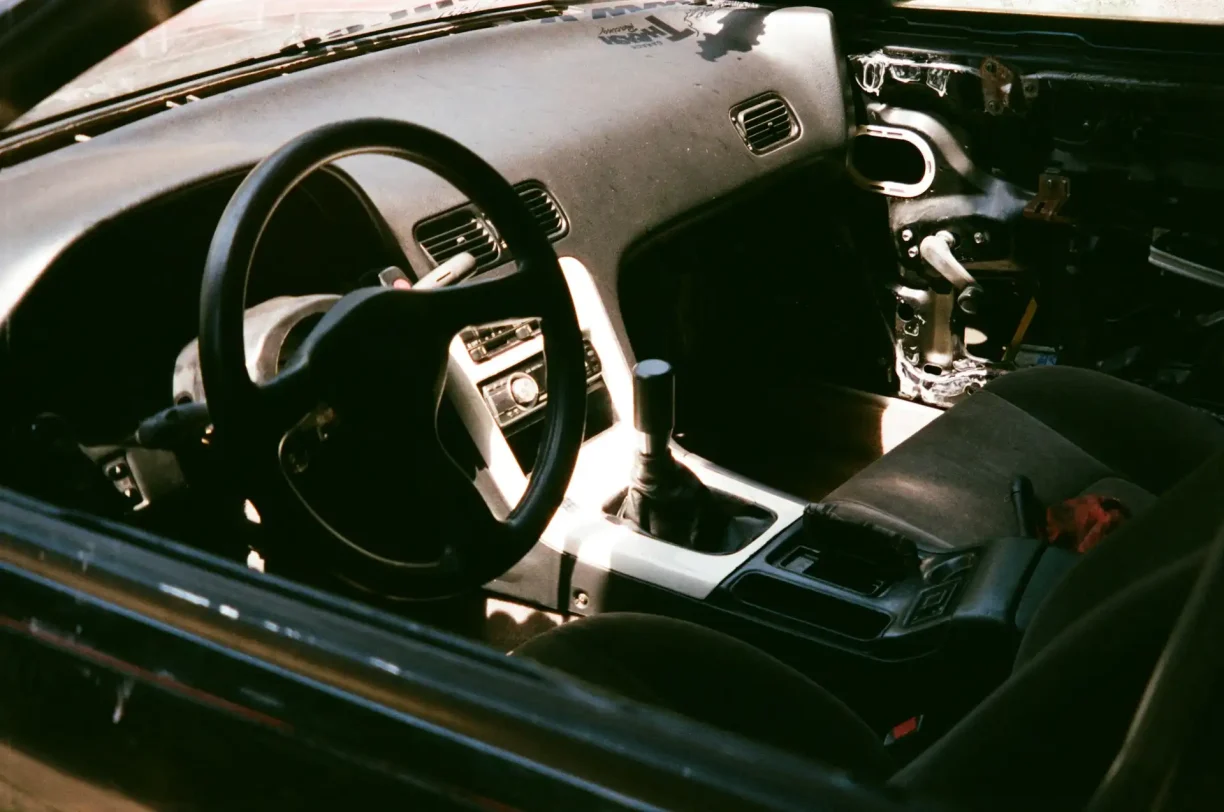
We’ll discuss the symptoms of a bad powertrain control module in the next section. You should start by learning what the PCM does. Why is it so important for your car? As we’ve explained, a car’s PCM is like its brain. The name of the PCM can be different in different models (like PCU, ECU, ICU, DME/DDE, etc.). But this device performs core functions like:
The PCM gets its data from different sensors in your car. It keeps checking parameters like:
It’s all done by using preprogrammed algorithms and adaptive learning techniques. That’s how your jeep’s PCM adjusts fuel delivery and ignition timing. It regulates transmission control to keep your vehicle in peak operating conditions. Without a functioning PCM, your vehicle would lose this adaptability, leading to inefficient performance or outright mechanical failure.
Your Jeep’s PCM acts as the central brain for engine & transmission management. When it fails or starts malfunctioning, you will see different issues and symptoms. We’ve already covered the obvious signs of PCM failure in a Ford F150. You can read that article to understand more about how PCMs behave when they go bad. Some signs of PCM malfunction include:
Let’s start with the most obvious symptom of a bad PCM. The check engine lights show that the PCM is probably faulty. Your Jeep’s PCM keeps monitoring your Jeep’s critical systems; it will trigger the check engine light upon detecting anomalies or internal faults. This light is a general warning, however. It may be an issue with sensors or the wiring. If the light stays on persistently or reappears after being cleared, it means that your PCM is experiencing a fault.
Do you notice that your vehicle is struggling to start? Does it require multiple ignition attempts? These symptoms may indicate that your PCM is failing. The PCM controls ignition timing and the fuel-air mix essentials to smooth starts. Faulty PCM signals can lead to inadequate fuel delivery or improper spark timing. This issue can be especially problematic in Jeeps used for off-roading or in cold environments, where reliable starts are critical.
PCMs in Jeeps regulate throttle response, fuel injection timing, spark, etc. When your PCM is malfunctioning, engine power delivery also suffers. You may see sluggish acceleration as well as hesitation (when you press the gas pedal). You will see misfires or jerky throttle response. Your Jeep’s towing capacity will be reduced; it won’t have enough power to climb steep terrain.
You may also notice that your fuel mileage has suddenly gone bad for no obvious reason at all. Your PCM controls how much fuel is injected as per sensor information. A failing PCM causes a Jeep’s engine to run rich (an idiom for too much fuel) or run lean (means too little fuel). It simply reduces your Jeep’s fuel efficiency. Jeeps are often used for rough driving. So, a PCM issue can spike fuel consumption and increase your operating costs.
One of the more dangerous symptoms of PCM failure is engine stuttering or stalling. In Jeeps, these symptoms can be particularly disruptive off-road or in traffic. The PCM ensures cylinders fire at the right time with the correct fuel mixture. PCM faults cause misfires or improper timing, leading to engine roughness or stalling. This problem is quite dangerous for heavy traffic drivers.
The PCM in Jeep automatic models controls transmission operation. PCM failure may result in transmissions shifting harshly. Too early, too late, erratically, etc. You should report this issue to your dealer right away. These issues not only degrade your driving comfort but may also lead to transmission damage if ignored.
Your Jeeps have to comply with environmental regulations. Your PCM manages systems that control the vehicle’s exhaust emissions. A malfunctioning PCM can cause excess emissions by not regulating the performance of your Jeep’s combustion/catalytic converter.
The PCM can easily get bad. In fact, the 2025 Ford Explorer was recalled in April due to this very issue. You may wonder why the powertrain control module gets damaged so often. Well, it’s a very sensitive and sophisticated piece of automotive tech, after all! Braids are prone to being sensitive and easy to damage… Even though the PCM is very advanced in its making, even small things can make it go bad. You may see symptoms of a bad PCM because of:
Electrical problems are the usual suspects when your PCM starts malfunctioning. Your PCM relies on stable electrical input to manage the engine and transmission systems precisely. So, voltage spikes and dips can damage the delicate circuits inside it. These faculty happen due to:
| Faulty alternators or voltage regulators | Battery issues | Short circuits or damaged wiring | Aftermarket modifications |
| Produces an unstable current that damages the PCM and causes it to malfunction | Corroded or loose battery terminals that supply power inconsistently | Caused sometimes by environmental factors or rodent damage (winters) | Audio systems can draw excess power or cause sudden interference |
Jeeps can easily sustain this sort of damage. They face more demanding driving conditions, like off-roading and exposure to mud/water. So, maintaining the integrity of their electrical systems via regular inspection is so important. You can do that by cleaning their terminals regularly.
You’ll typically find the PCM mounted in areas of your vehicle where it’s exposed to heat. Some models even make it susceptible to ambient moisture. Water intrusion due to faulty door seals and windshield leaks, or exposure during river crossings, may cause corrosion. The PCM circuit boards start to malfunction when they’re rusted.
Excessive engine heat can also degrade the components of your PCM as time marches on. The engine of your jeep often produces high torque. When you drive in hot climates, it can expedite this wear & tear. Impacts from accidents or rough road vibrations physically jar/crack your PCM. These problems can often lead to PCM failure.
But not every case of PCM failure arises from neglectful owners. They may happen due to some sort of inherent manufacturing defects or software issues. Your jeeps may experience recalls or technical service bulletins that address PCM firmware bugs or hardware flaws.
Your PCM’s software may get corrupted during interrupted programming attempts or unstable firmware updates. These issues result in erratic system behavior. That’s why you should make sure that your PCM is updated by professionals only. Please avoid clone software or incomplete flashes. These shortcuts can corrupt your PCM’s memory and ruin it even more.
Your PCM suffers regular wear & tear as well. Temperature cycling and mechanical vibrations also happen to it. When many years pass, your PCM’s solder joints can weaken. You will see a degradation in its chips as well. Its internal memories can become unreliable. Jeep PCMs that experience off-road vibrations or extreme weather may exhibit sooner degradation.

1. Scan for Diagnostic Codes
The first step here is scanning your Jeep’s onboarding diagnostics with an OBD2 scanner. This tool will read the fault codes your PCM has stored. It’ll help you pinpoint problem areas. Given that the PCM controls most of your vehicle, you can easily find PCM-related codes. Some codes are P0603 (Keep Alive Memory error) or P0606 (Processor fault).
2. Check Surrounding Components
The symptoms of a bad PCM may also emerge from sensor failures or wiring faults. These faults can mimic module issues. A bad oxygen sensor or mass airflow sensor can often lead to drivability issues. Damaged wiring harnesses are also quite common in Jeep engine bays (chiefly the ones frequently exposed to mud and water). You can make sure that your PCM isn’t mistakenly blamed for peripheral system faults via visual inspections and continuity tests.
3. Professional Repair
PCM repair just isn’t something you can do on your own. What you need is advanced diagnostic equipment and technical expertise. Your PCM may need a solution based on the diagnosis; the repair may involve repairing wiring harnesses or replacing faulty sensors. You may realize that the PCM software needs to be re-flashed. Do avoid aftermarket PCM repairs; these repairs can render you ineligible for lemon law protection.
4. Lemon Law Protections
Many Jeeps come with a factory warranty that covers PCM repair or replacement (for a limited time/mileage, however). That’s why you should check their coverage and bring repair records with you. If your PCM fault remains unresolved even after doing multiple repairs, you can find protection under your state’s lemon laws. Owners in California and other states have successfully filed claims for recurring PCM defects under these protections. These laws mandate that manufacturers compensate consumers for vehicles with substantial defects impairing use or safety.
If you are seeing persistent PCM problems in your jeep, don’t forget your rights as a consumer. The warranty you get from the manufacturer covers PCM repairs or replacements. If the PCM problem continues even after multiple repair attempts, you may seek protection under the lemon laws of your state. These laws state that manufacturers must compensate you for this fault.
Do you need help making sense of warranty claims or lemon law protections? Consult CPLG for help! We at 247lemonlaw.com can offer you valuable help. We’ve won more than 3,900 cases in America, helping countless consumers get refunded for their defective vehicles. If you wish to get rid of your lemon & get compensated for it, our lemon law attorneys are 24/7 available.
 $26,534
$24,110
$23,345
$23,000
$22,195
$22,000
$21,586
$21,550
$20,183
$20,000
$20,000
$19,411
$18,000
$18,000
$17,000
$16,000
Consumer Protection
$26,534
$24,110
$23,345
$23,000
$22,195
$22,000
$21,586
$21,550
$20,183
$20,000
$20,000
$19,411
$18,000
$18,000
$17,000
$16,000
Consumer Protection
 Call (424) 677-1115